Site-Specific Performance, Netherlands and Belgium, October 3, 2026
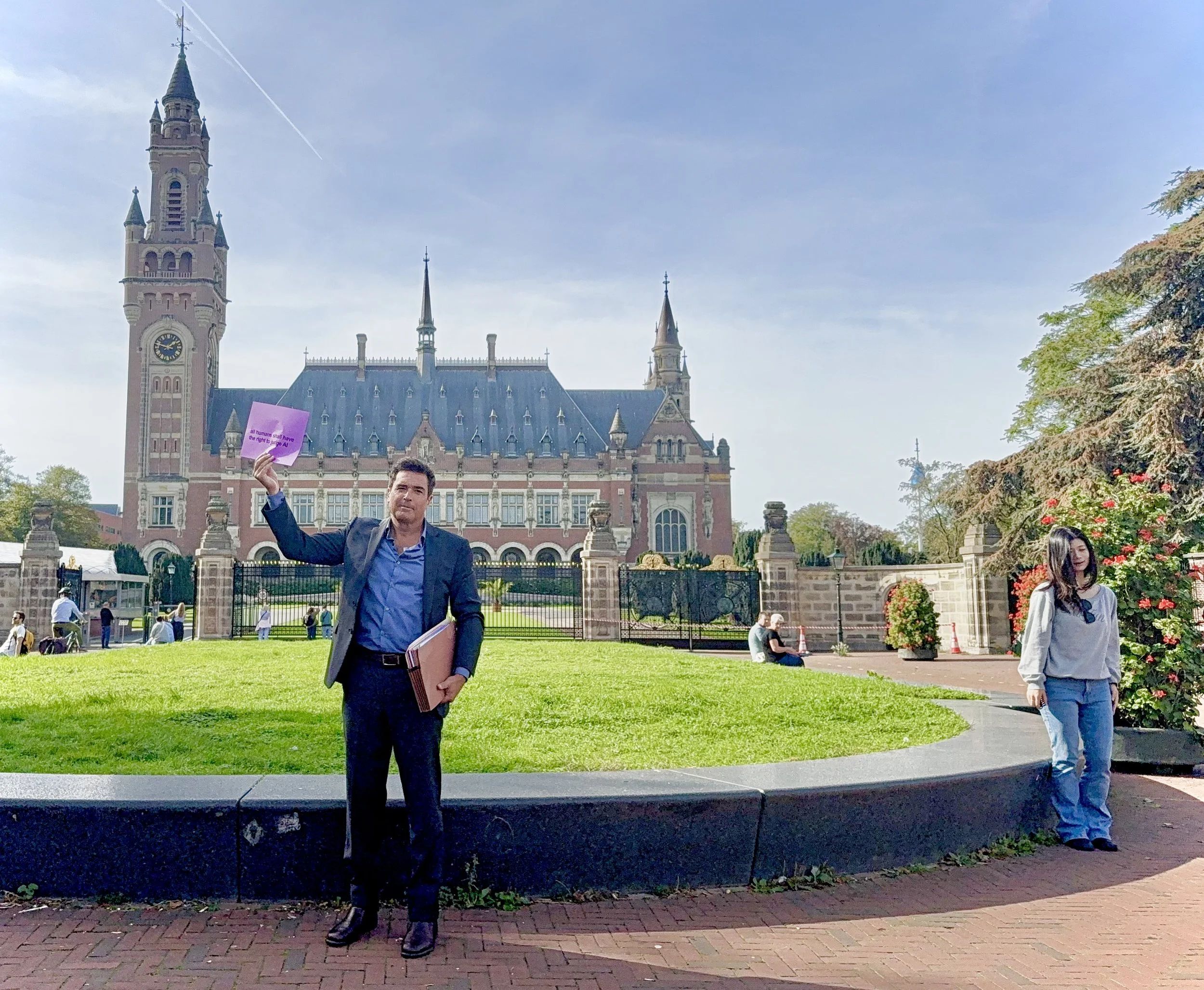
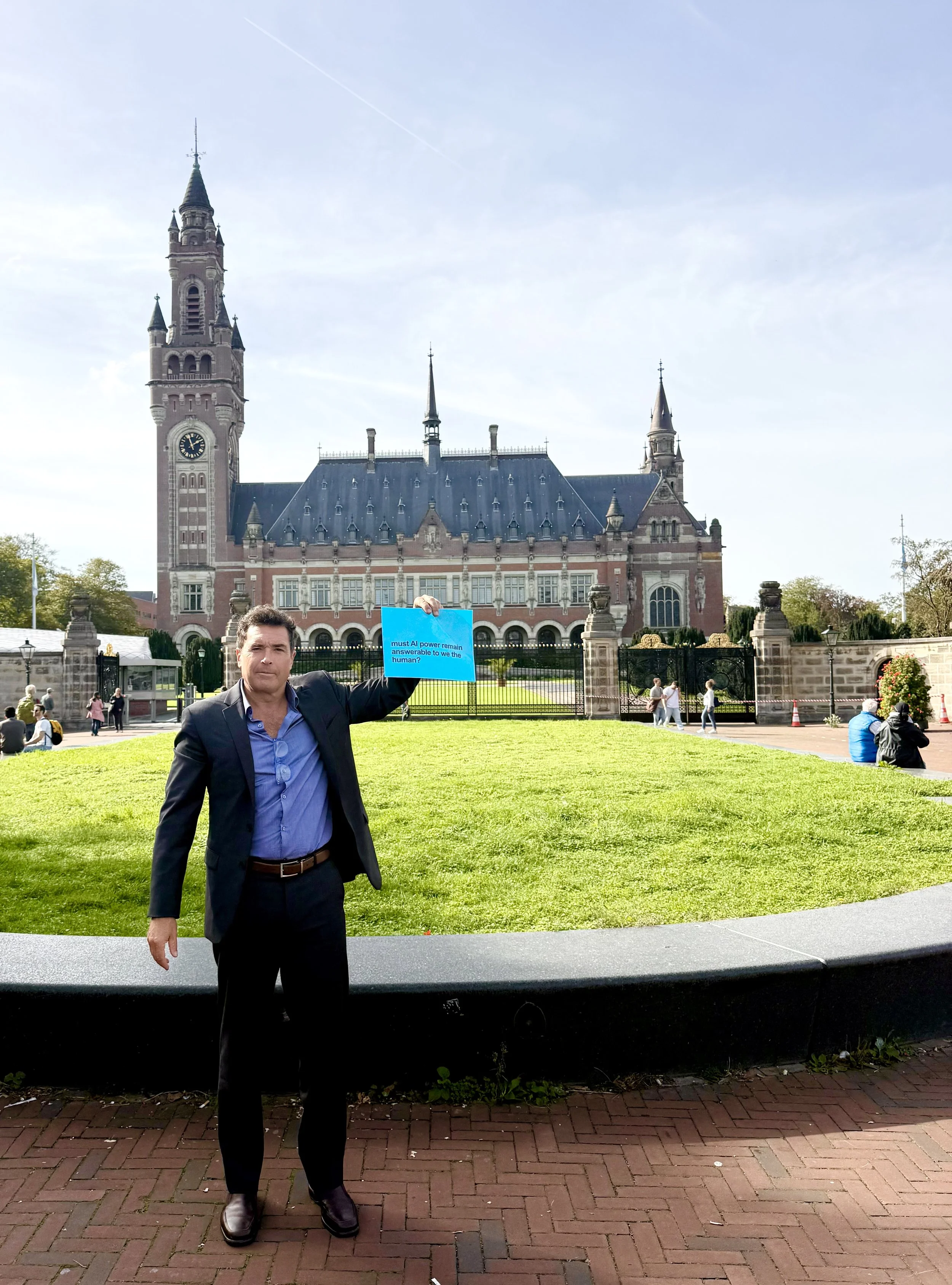
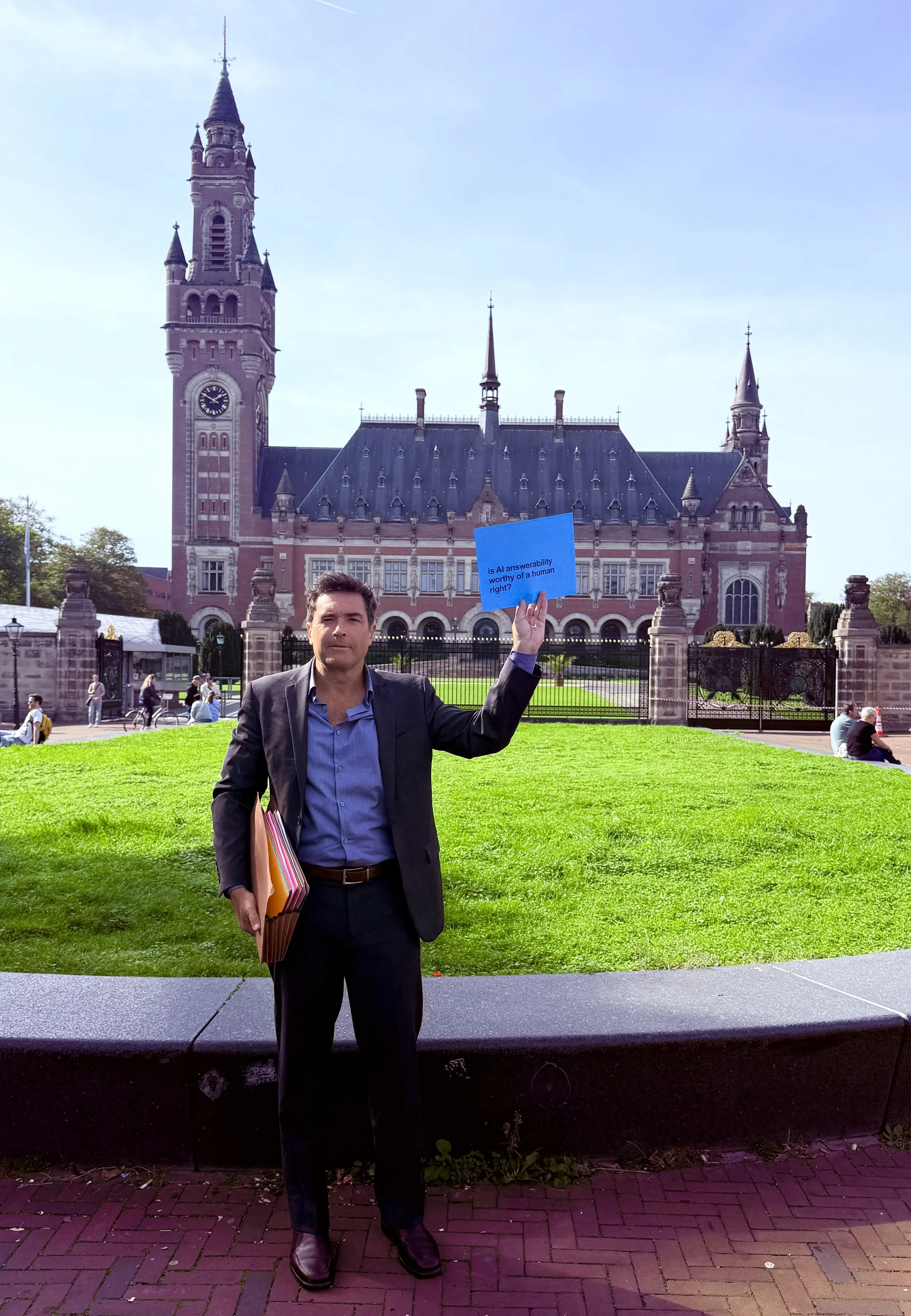
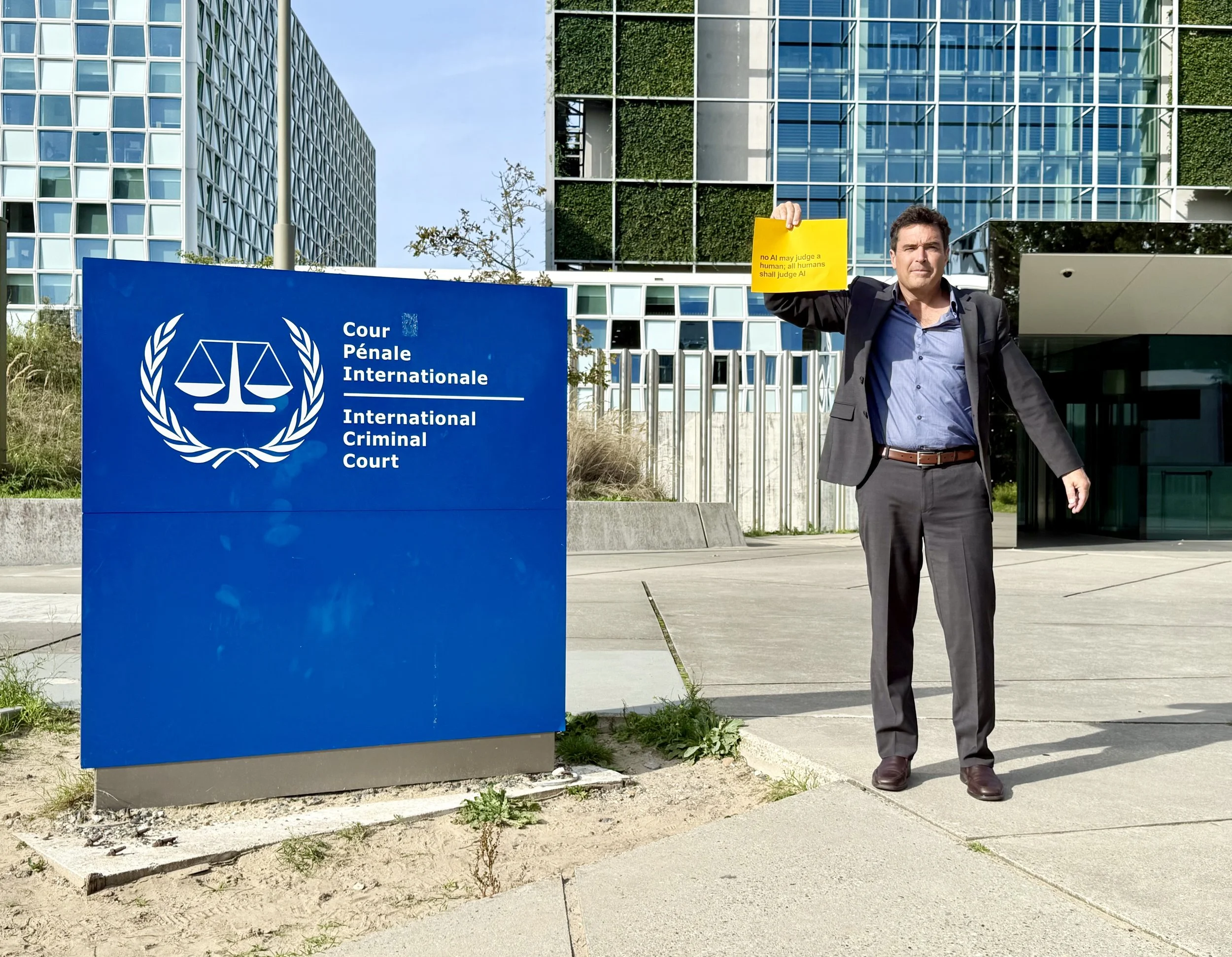
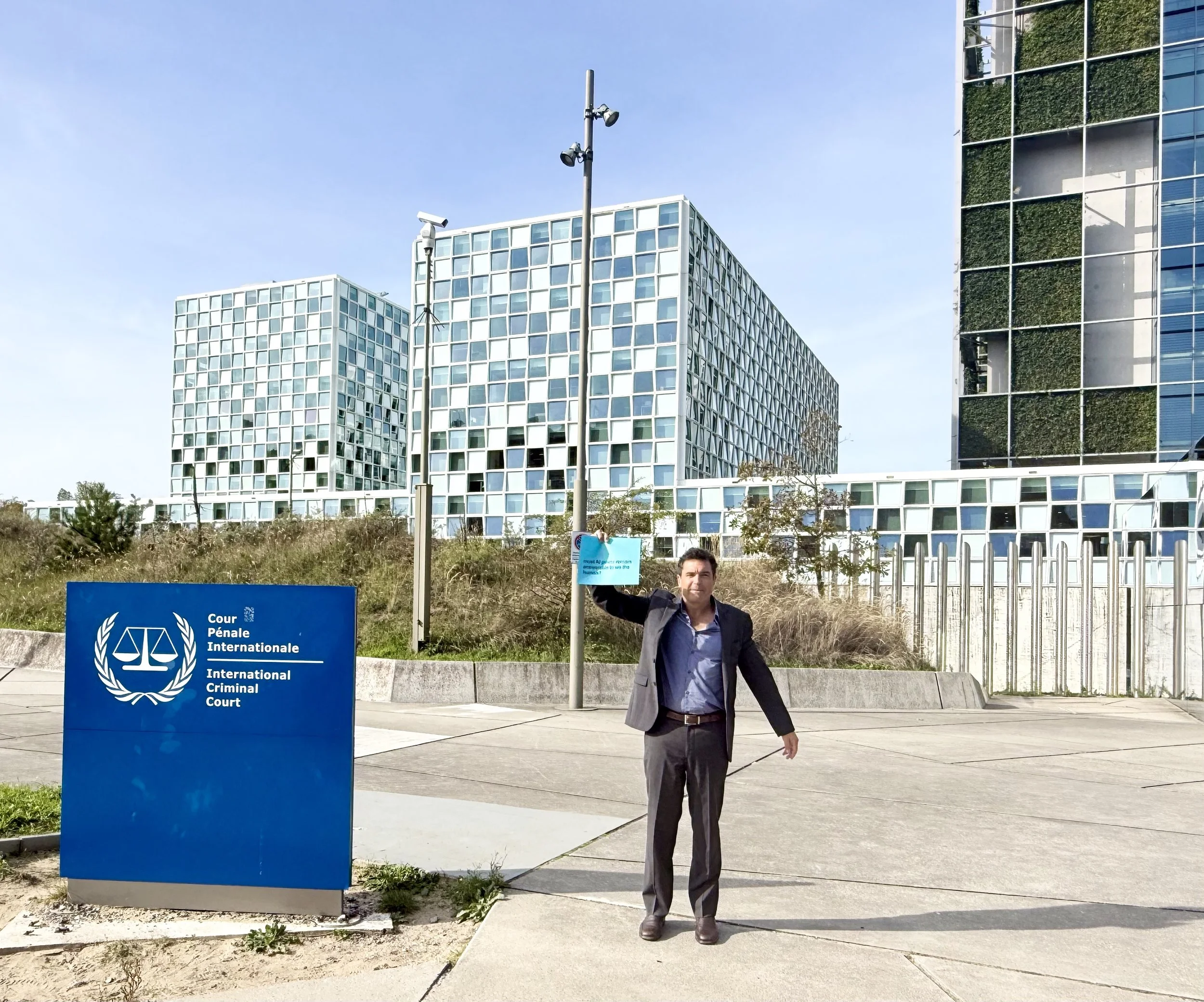
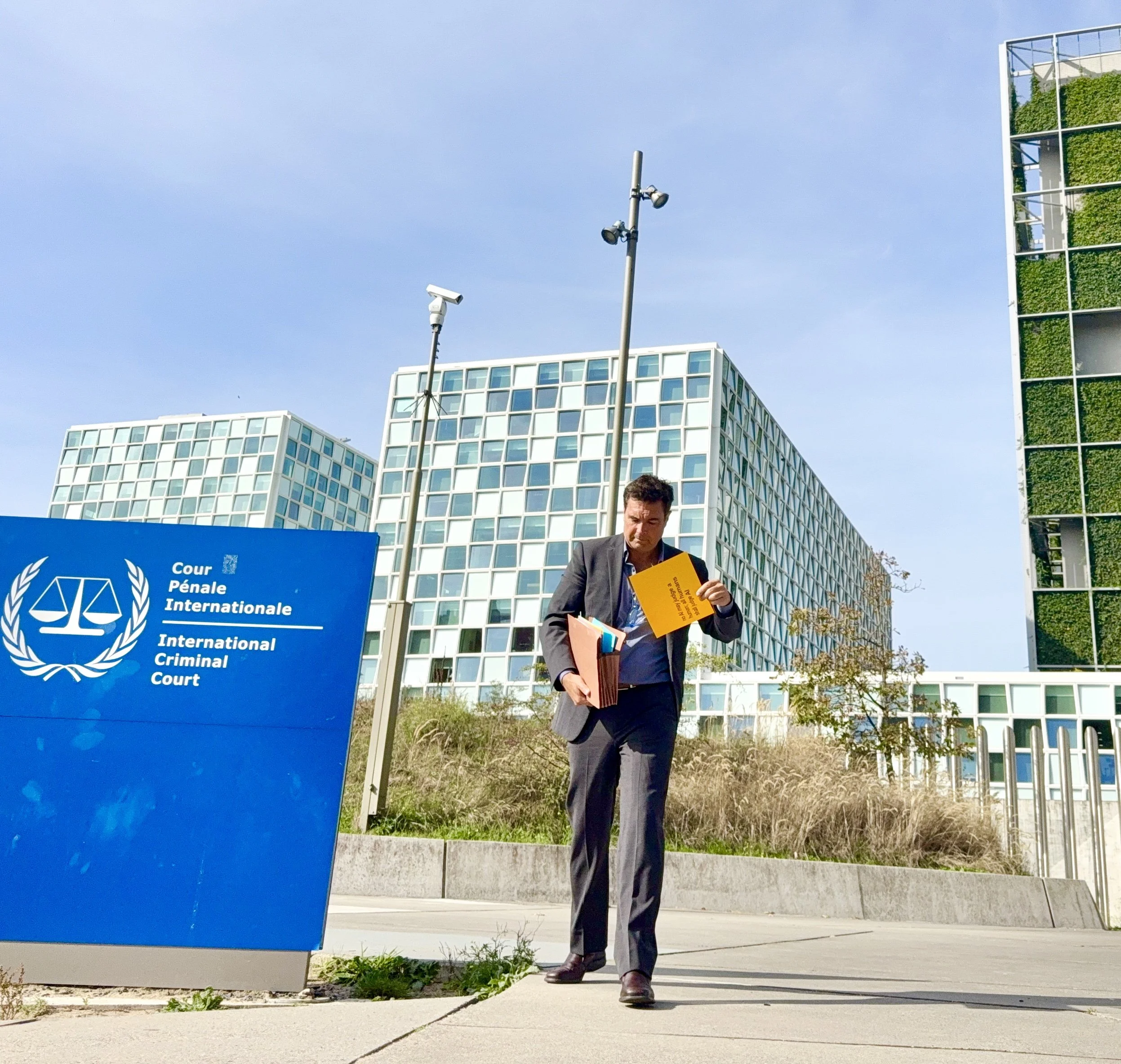
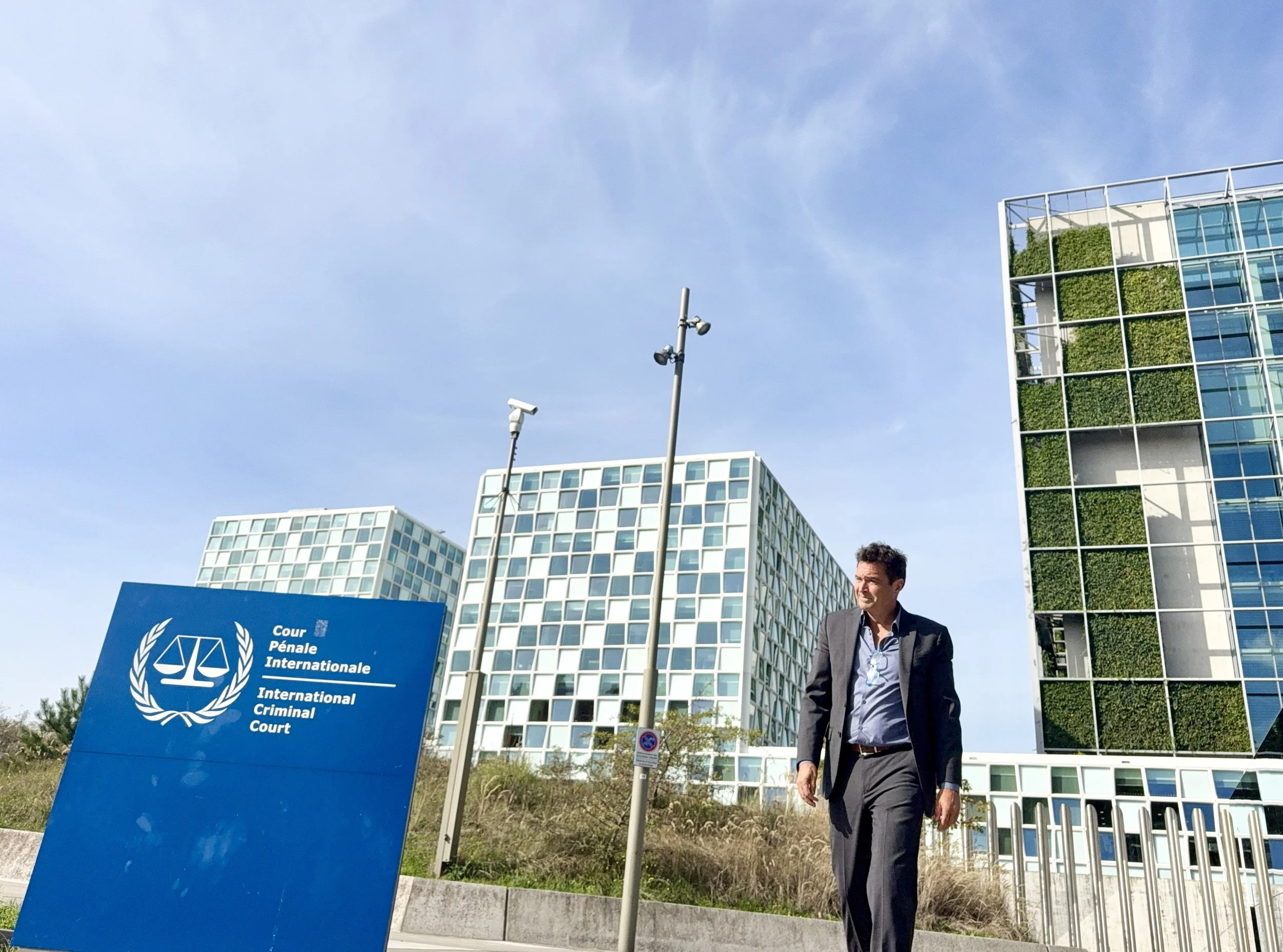
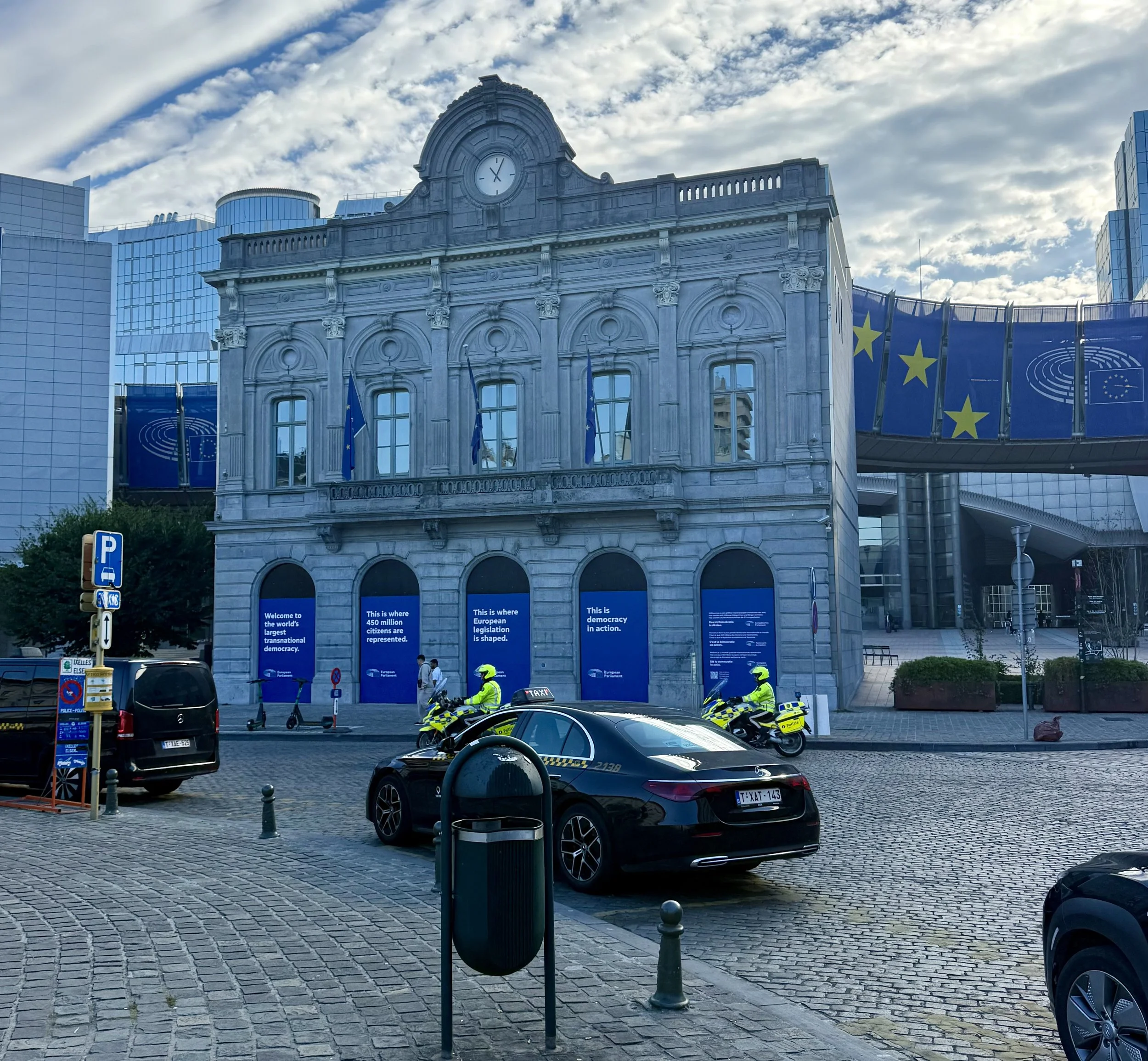
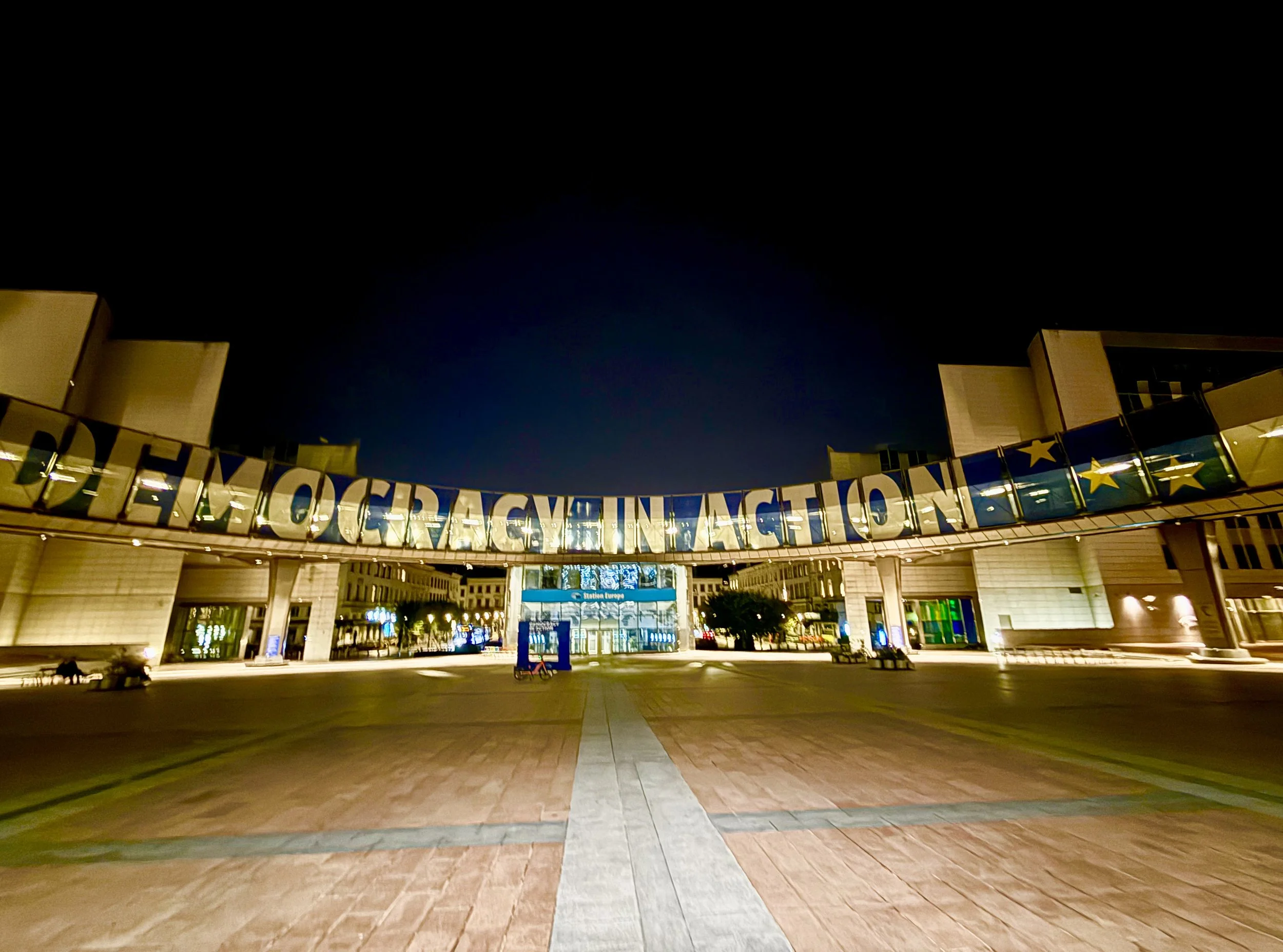
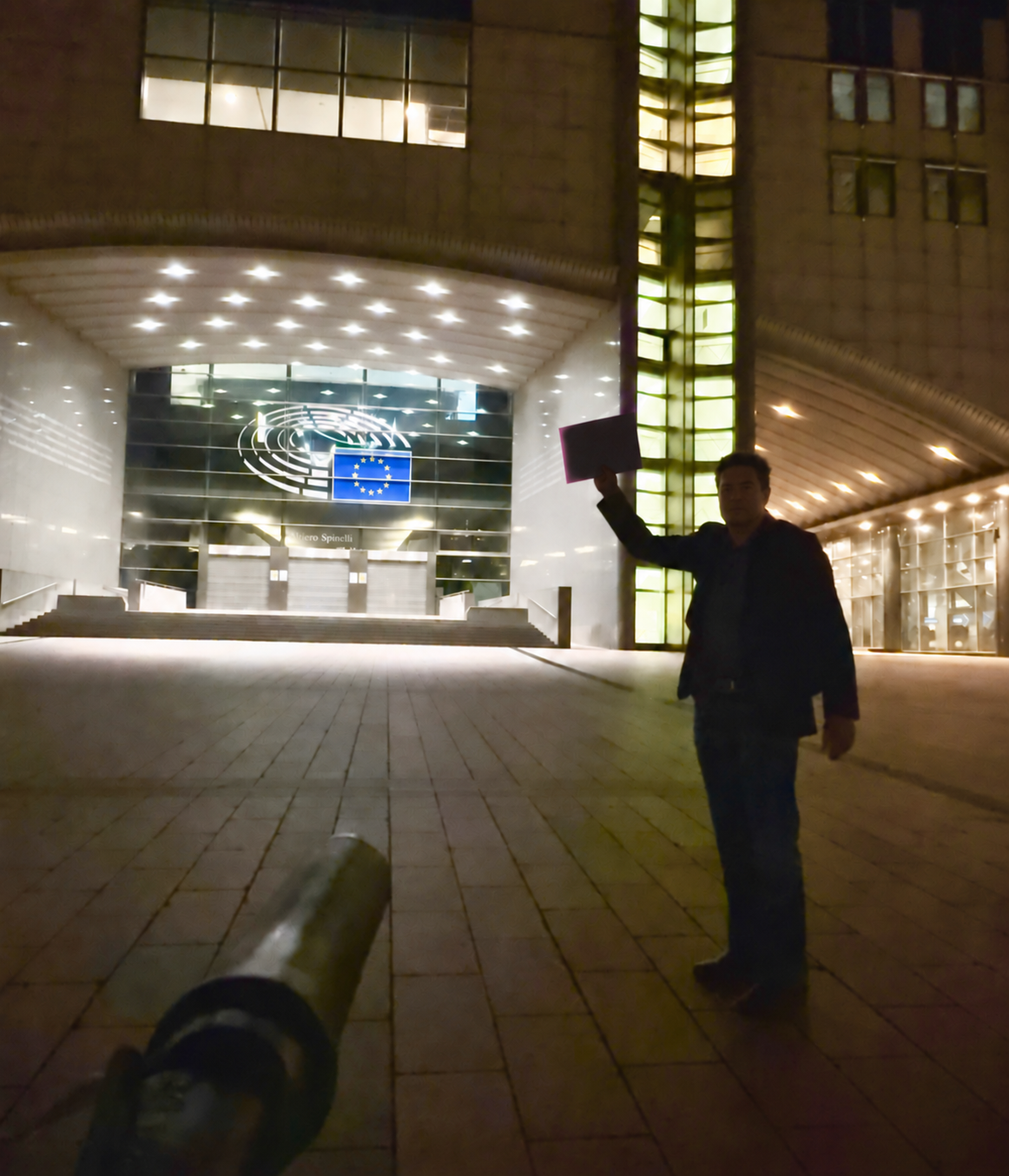
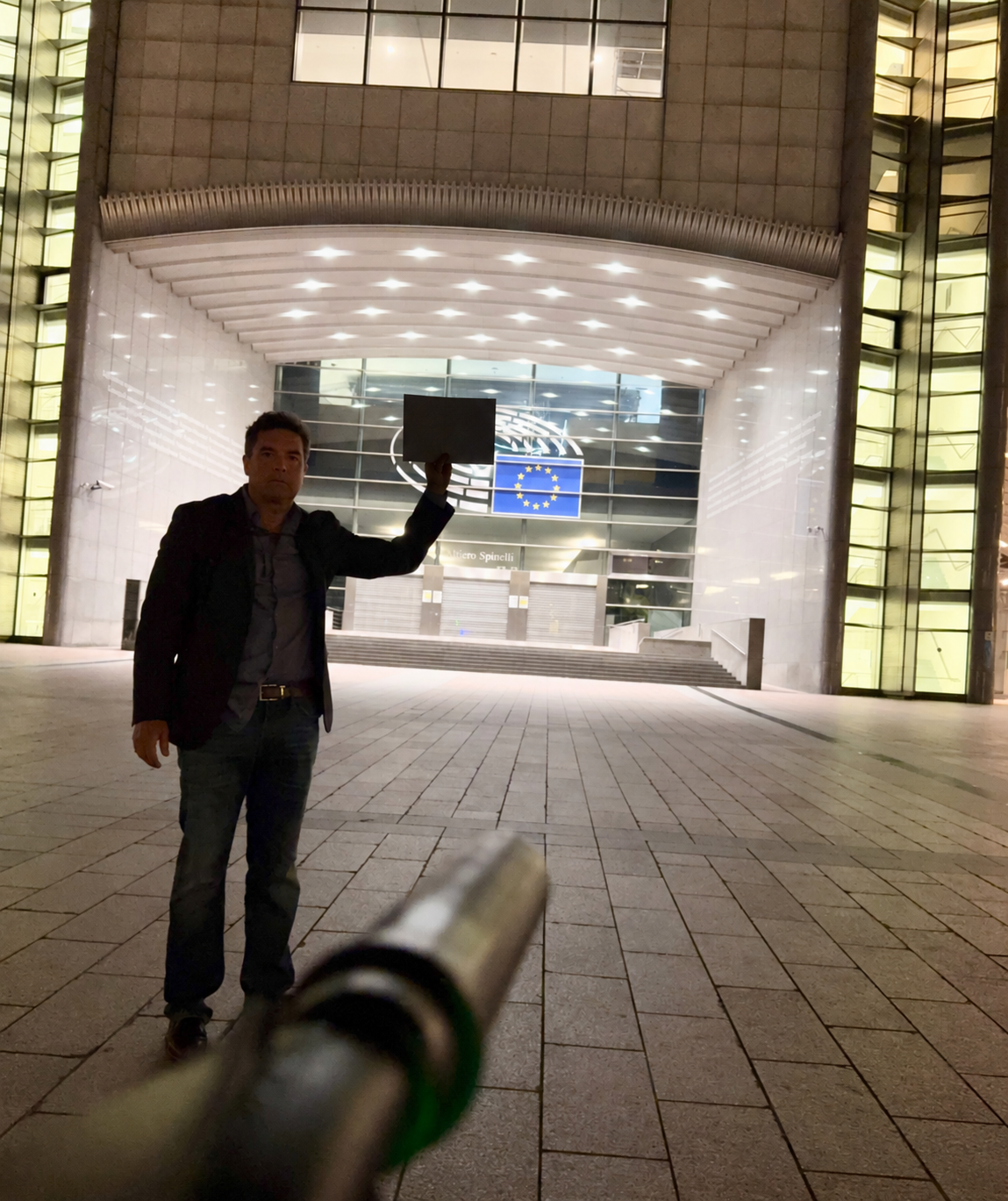
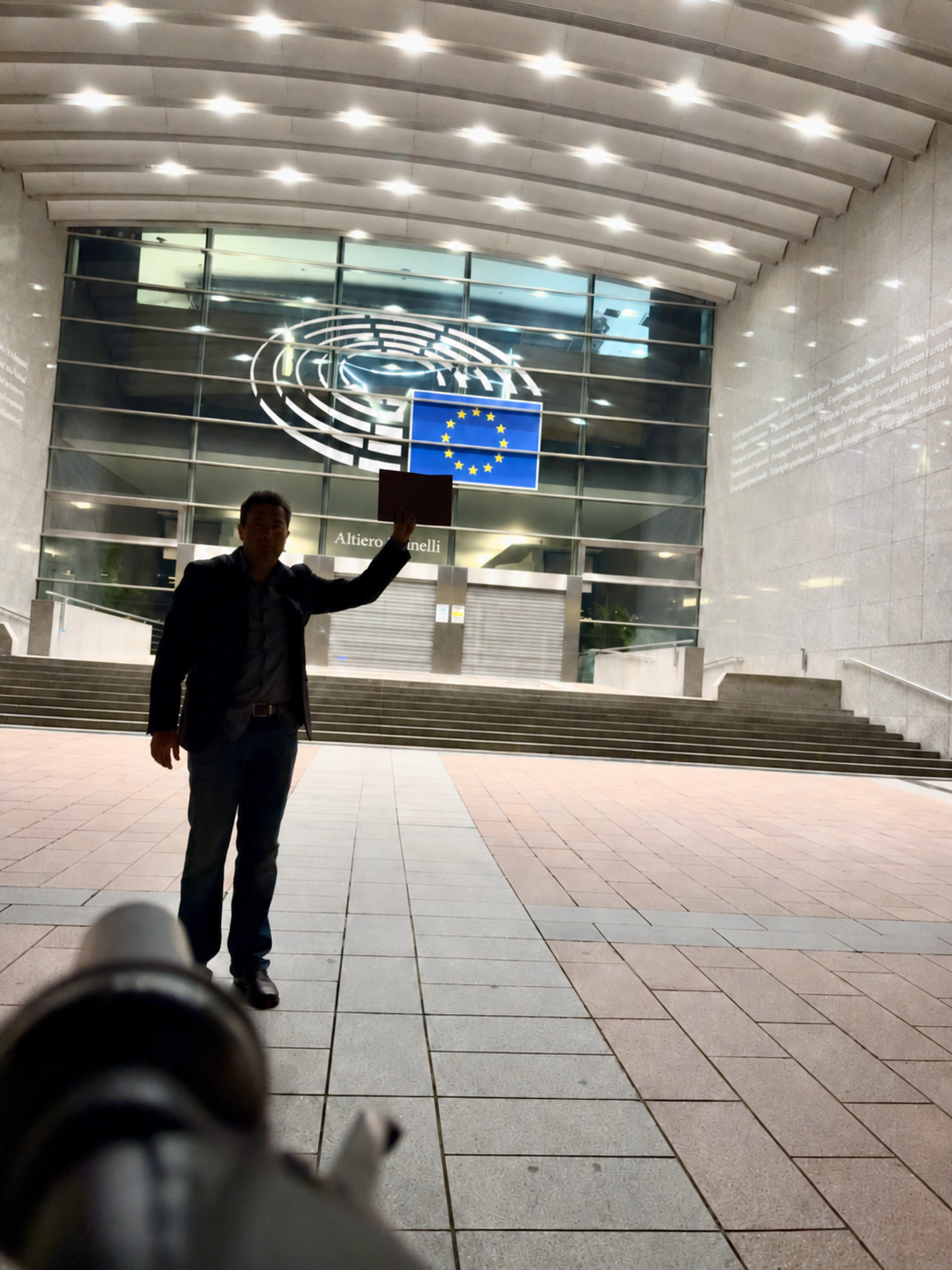
What was the art?
The artist’s performance was silent text-based advocacy for two new human rights as to AI. It was:
(a) a site-specific conceptual performance;
(b) at three of humanity’s leading remaining places for international legal rights;
(c) in two countries;
(d) in one single day.
Did it matter?
Research indicates this was the first time:
(a) a lawyer;
(b) an artist;
(c) a human
protested at these places of international humanity for human rights as to AI.
What were the two human rights proposed?
(a) All AI must answer to humans; and
(b) No AI shall judge humans.
The language of the two umbrella rights is designed to address all existential human needs relative to AI.
What were the three locations?
(a) The International Court of Justice (The Hague, Netherlands);
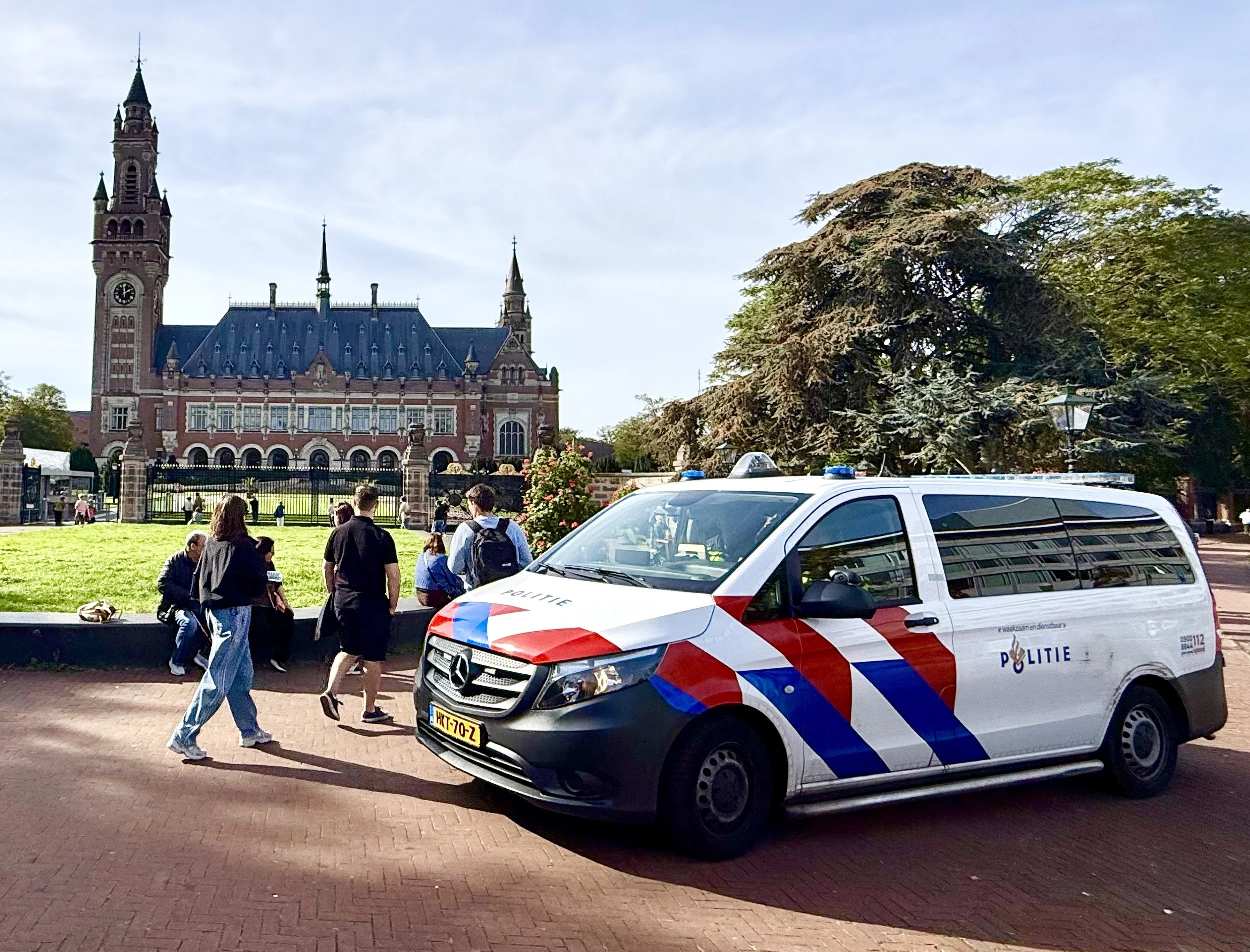
(b) The International Criminal Court (The Hague, Netherlands);
(c) The European Parliament of the European Union (EU) (Brussels, Belgium).
Why these three locations?
They are humanity’s last remaining places capable of creating trans-national legal rights:
(a) The International Court of Justice is the UN’s judicial body and the world’s leading international institution that can develop international law and rights. It is arguably the world’s last human place where new international legal principles can be proposed and given international authority;
(b) The International Criminal Court is the world’s only international criminal court as to international crimes and crimes against humanity. It is arguably the world’s only human place that can provide legal accountability for international and trans-national harms to humans;
(c) The European Parliament of the European Union (EU) is the largest trans-national legislative body in the history of humanity. It can establish legal rights for over 450 million humans across twenty-seven (27) sovereign nation-states. It is arguably the world’s leading human place that can provide new human rights through an international legislative process.
Together, these are arguably humanity’s last remaining places at the international level by which humanity might address the supra-national issues in this new age of AI. With the United Nations (UN) and its Security Council now unviable, these are humanity’s only remaining places with real power to consider humanity relative to AI. Two of the three are courts.
How was the performance documented?
The performances at the International Court of Justice and at the Parliament of the European Union (EU) were documented by four citizens of countries located in Europe, Asia, and the Middle East. The performance at the International Criminal Court was spontaneously documented by a lawyer on a bicycle who practices international law in The Hague.
Did the performance at one court constitute a type of performance art called a Happening?
Yes. The Dutch lawyer who documented the artist’s protest at the International Criminal Court spontaneously stated his initial legal analysis of the viability of the two proposed human rights, in a ten minute discussion with the artist, both as lawyers, as pedestrians looked on from the sidewalk.
These elements constituted an unplanned interaction among artist, participant, audience, site, and circumstance sufficient to be associated with the art-historical form of performance art called Happenings.
Does the performance relate to the London art installation?
Yes. The same sheets of paper in the silent protests will now appear among 264 other text-based pages in the 3x3x3m large-scale installation to be shown in London, connecting the site-specific performance, the advocacy, the two proposed human rights, the photo documentation, the Happening, and the installation in London: When Will You Want the New Human Rights?
Do the performance and the installation relate to the Artist’s other work?
Yes.
Our Imperfect Courts as Our Last Human Place. Artist’s original text phrase. First documented, Instagram, Mar 16, 2025.
Solo Exhibition, Engage Projects Gallery, Chicago, US; discussed by art critic in review, May 2025.
Artist Placed Public Document Art and Courts As Our Last Human Place. Art theory chapter in pending 2026 book, by editors’ invitation, arising from 2025 art critic review.
When Will You Want The New Human Language? New Cave Painting as installation, jury selection, Los Angeles, Sept 2026.
When Will You Want The New Human Rights? New Cave Painting as installation, jury selection, London, Oct 2026.
New Cave Paintings. Series of roughly 20 conceptual paintings, installations, and videos, 2018-present.
The Citizen Methods: What A Citizen Can Do. Constitutional theory research paper proposing new constitutional and human rights as to AI, 2026; potential book, 2027.
Works dedicated to KMW and HJWW.